Imitation Book for Language Development
Why We Recommend This Toy
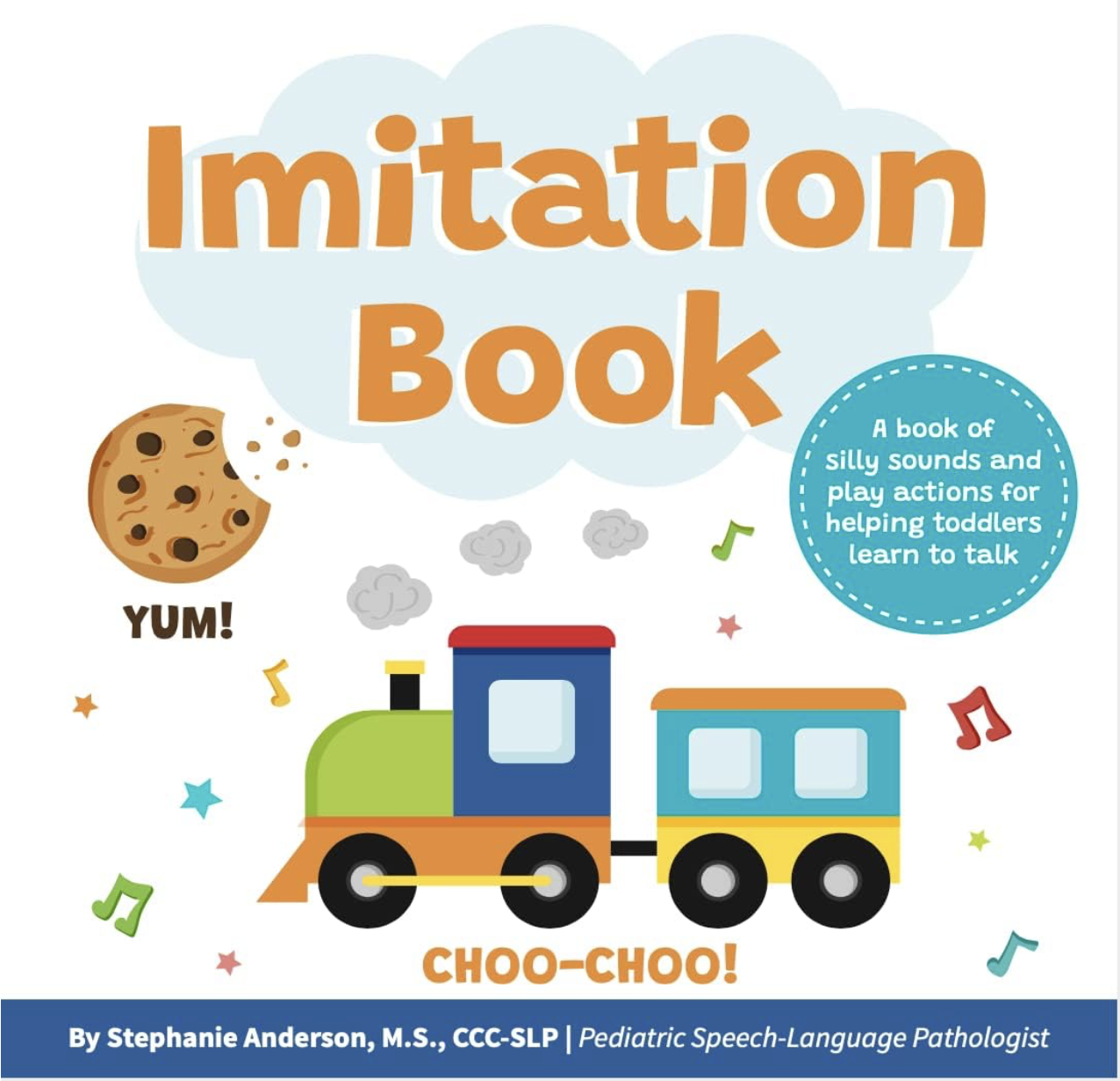
Imitation is one of the most important foundations for early learning — especially for communication, social connection, and play. This book is designed specifically to build imitation through fun sounds, actions, and shared interaction.
Unlike traditional books that focus only on listening, this book invites children to do something — copy a sound, repeat a movement, or respond to a playful cue. That active participation supports early speech development, joint attention, and back-and-forth interaction.
We love this book because it turns reading into interactive play, making it especially helpful for children who are just beginning to communicate, imitate, or engage socially.
What This Toy Is Useful For
This activity supports development across multiple areas:
Early communication & speech development – copying sounds, vocal play, word attempts
Imitation skills – copying actions, gestures, and facial expressions
Social interaction – shared attention, turn-taking, engagement with a partner
Cognitive skills – learning through repetition and pattern recognition
Play skills – participating in interactive, responsive play routines
Attention & regulation – anticipating actions and staying engaged in structured interaction
Because imitation is a core developmental skill that supports language, learning, and social development, this book is especially helpful for children who need support with engagement, communication, or interaction.
How to Use This Toy by Age
-
At this stage, the focus is watching, listening, and simple imitation exposure.
Exaggerate facial expressions and sounds while reading
Pause after a sound or action and let your child watch your face
Help them copy movements by gently guiding their hands (clap, tap, wave)
Repeat the same page multiple times — repetition builds learning
Respond to any sound or movement they make as if they are “joining”
Tip: Even looking at you and smiling back is early imitation.
-
At this stage, the focus is encouraging participation and copying actions.
Model an action and say, “Your turn!”
Help them imitate simple movements (clap, stomp, tap, blow, knock)
Pause after sounds so they can attempt to copy (“moo,” “beep,” “choo-choo”)
Celebrate all attempts — even approximations
Turn actions into predictable routines (sound → action → repeat)
Tip: Keep it playful and animated — excitement increases imitation.
-
At this stage, the focus is independent imitation and expanding communication.
Take turns making sounds or actions from the book
Ask simple prompts: “Can you do this?” or “What sound?”
Encourage combining action + sound (“Jump! Boing!”)
Let your child lead and choose pages or actions
Expand what they do:
Child says “choo-choo” → you say “Fast choo-choo train!”
Tip: Follow their lead — imitation grows best through shared joy and interaction.